
The whats , whys and hows of modern day cataract surgeries
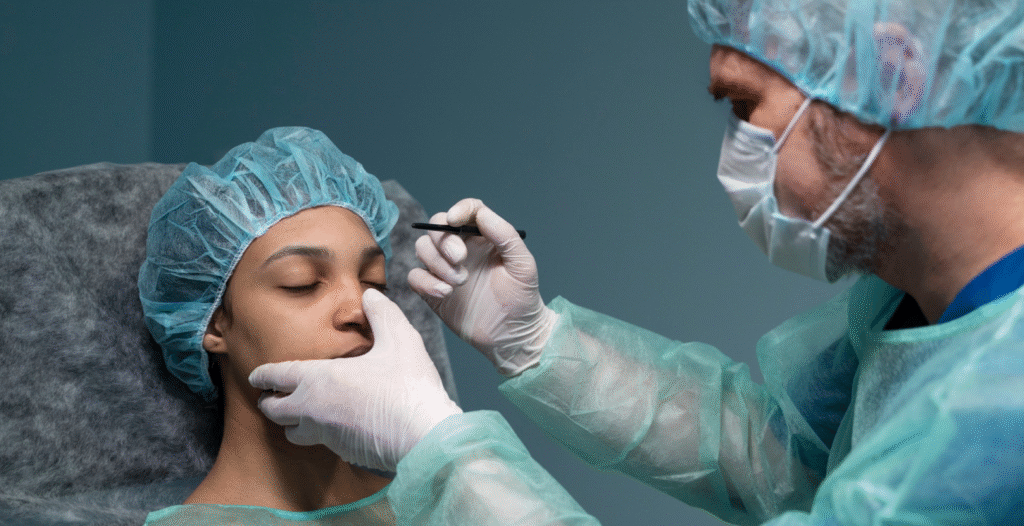
Modern cataract surgery is a safe, quick, and highly successful outpatient procedure that uses advanced technology to restore vision with minimal discomfort and rapid recovery times. It has evolved significantly from traditional methods, focusing on precision, patient comfort, and enhanced visual outcomes.
Understanding Modern Cataract Surgery
Our natural lens works like a camera lens, crystal clear in most of us. As we age, this lens can become cloudy, affecting millions of people worldwide. According to the American Academy of Ophthalmology, approximately 24.4 million Americans over 40 have cataracts, and this number may reach 45.6 million by 2050.
What causes cataracts?
The way smudgy lenses cause blurring of vision, our natural lens loses its transparency over time. Proteins in the lens begin to break down and clump together, creating cloudy areas that block light. These cloudy areas start small but grow larger, making vision increasingly hazy. The lens may also develop a yellowish or brownish tint, changing how we see colors.
Several factors can speed up cataract formation:
- Diabetes and high blood sugar
- Previous eye injuries or surgeries
- Long-term use of corticosteroids
- Family history
- Too much UV light exposure
Your lifestyle choices matter too. Smoking, drinking too much alcohol, and spending long hours in the sun without eye protection can make cataracts develop faster.
Key Advancements in Modern Cataract Surgery
Modern techniques have transformed cataract surgery into a routine procedure with a success rate of over 95%. Key advancements include:
- Minimally Invasive Techniques: Surgeons use tiny, self-sealing incisions (typically 2-3 mm) that usually do not require stitches. This minimizes trauma to the eye, reduces the risk of infection, and results in faster healing.
- Phacoemulsification: This is the most common technique worldwide. An ultrasound probe is inserted through the small incision to break the cloudy lens (cataract) into tiny fragments, which are then suctioned out.
- Advanced Intraocular Lenses (IOLs): Once the natural lens is removed, an artificial IOL is implanted. Modern IOLs come in various options tailored to the patient’s lifestyle and vision needs:
- Multifocal – As the name suggests, these lenses can function like our eyes’ natural lenses, focusing at multiple distances.
- E.D.O.F lenses are new, and represent a significant advance in intraocular lens technology. while EDOF lenses are great for distance and intermediate range, they may not be so effective for very near work. This is why people who have EDOF lenses still may require reading glasses for fine print or close work.
- Monofocal – These are made of rigid materials like PMMA and pre-adjusted to a specific fixed focal length; they cannot function as the natural lens in our eyes.
- Toric – These lenses are suitable for patients with corneal astigmatism. The cause of astigmatism is an imperfection in the curvature of the eyes.
What to Expect: The Surgical and Recovery Process
The procedure is typically done on an outpatient basis and takes only about 15 to 30 minutes per eye.
- During Surgery:Your eye will be numbed using topical anesthetic drops, and you may be given a mild sedative to help you relax. You remain awake during the procedure but will not feel pain.
- Recovery:Recovery is fast, with many patients noticing significantly clearer vision within 24 to 48 hours.
- Immediate Aftercare:You will wear a protective shield for the first day and especially while sleeping for the first week.
- Activity Restrictions: Most normal activities can be resumed within a few days, but strenuous activities, heavy lifting, swimming, and eye makeup should be avoided for a few weeks to ensure proper healing.
- Full Healing: Complete healing and stabilization of vision typically take about 4 to 6 weeks.
- Common Side Effects: Mild discomfort, a gritty sensation, light sensitivity, and some temporary blurry vision or halos are normal during the initial recovery period.
Modern cataract surgery not only restores clear vision but can also enhance the overall quality of life, improving independence and even contributing to better cognitive health in older adults.
Vision improvement timeline
Just as a morning fog gradually clears, your vision typically improves in stages. Many patients notice better vision within 24 hours after surgery. Vision continues getting clearer over several days, and most people can return to work within 1-3 days.
Here’s what usually happens:
First Week:
- Side effects start to fade
- Vision begins to settle
- You can start basic activities
Weeks 2-4:
- Vision keeps improving
- Less need for eye protection
- Gradually return to normal activities
Weeks 4-8:
- Eye fully heals
- Vision becomes stable
- Check if you need glasses
- Most people need about four weeks for full recovery. During this time, your vision might change slightly from day to day. Expect your best vision around 4-6 weeks after surgery.
- If you need new glasses, your doctor will usually wait about six weeks after surgery to prescribe them. Many patients can drive without glasses once fully healed, though glasses might improve vision by another 5-10%.
- Your healing depends on several factors:
- Your overall health
- How quickly you normally heal
- Type of surgery performed
- Following your doctor’s instructions
Call your eye doctor right away if you notice:
- Sudden vision loss
- Ongoing eye pain
- New floaters or flashes of light
- Excessive redness
- Unusual swelling
Modern cataract surgery shows impressive success in improving vision. Following your post-operative care instructions and keeping follow-up appointments helps ensure the best possible outcome. Remember, everyone heals differently, so be patient with your recovery process.